


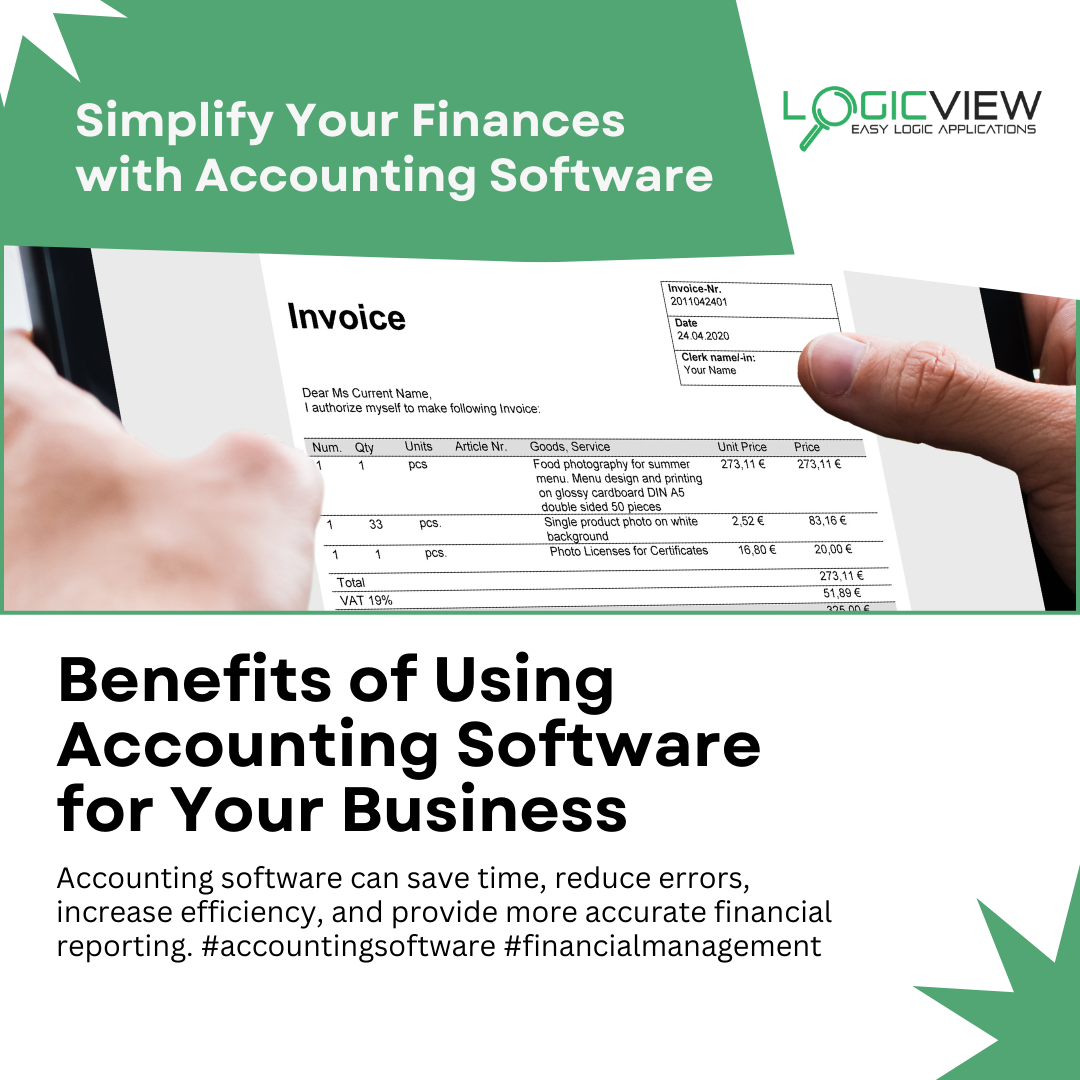

Benefits of Accounting Software
In the modern era of technology, businesses are always on the lookout for methods to make their operations more efficient and streamlined One area where significant advancements have been made is in accounting software. From small startups to large corporations, the benefits of implementing accounting software are undeniable.
Introduction to Accounting Software
Accounting software is a tool designed to automate, streamline, and simplify various financial tasks within an organization. It replaces traditional manual methods of bookkeeping and offers a wide range of functionalities to manage finances effectively
.
Time and Cost Efficiency
Streamlining Processes
Accounting software helps streamline repetitive tasks such as data entry, invoicing, and payroll processing.
Automating these processes allows businesses to save precious time, which can then be redirected towards more productive endeavors.
Automating Tasks
With accounting software, tasks that previously required manual intervention can now be automated. This not only reduces the risk of human error but also frees up resources that can be redirected towards strategic initiatives.
Accuracy and Reduced Errors
Real-time Data Updates
One of the key benefits of accounting software is its ability to provide real-time updates on financial transactions. This ensures that businesses have access to the most accurate and up-to-date information, minimizing the risk of errors and discrepancies.
Automated Calculations
Accounting software automates complex calculations such as tax deductions, depreciation, and interest accruals. This not only conserves time but also lowers the chance of errors linked with manual calculations.
Enhanced Financial Management
Budgeting and Forecasting
Accounting software offers advanced budgeting and forecasting tools that allow businesses to plan and allocate resources more effectively. By analyzing historical data and market trends, organizations can make informed decisions about future investments and expenditures.
Reporting and Analysis
Another benefit of accounting software is its robust reporting and analysis capabilities. Businesses can generate customized financial reports and dashboards to gain insights into their performance and identify areas for improvement.
Improved Decision Making
Access to Real-Time Insights
By providing access to real-time financial data, accounting software enables businesses to make timely and informed decisions. Whether it’s assessing cash flow, monitoring expenses, or evaluating profitability, real-time insights are invaluable for strategic planning.
Data Visualization
Many accounting software platforms offer data visualization tools that present financial information in an easy-to-understand format. Graphs, charts, and diagrams allow users to identify trends, patterns, and outliers more effectively.
Scalability and Flexibility
Adapting to Business Growth
Accounting software is designed to scale alongside growing businesses. Whether it’s adding new users, expanding operations, or incorporating additional features, the software can adapt to meet evolving needs.
Customization Options
Most accounting software platforms offer a high degree of customization, allowing businesses to tailor the software to their specific requirements. From customizing reports to configuring workflows, businesses can personalize the software to suit their unique needs.
Better Compliance and Security
Regulatory Compliance
Compliance with regulatory requirements is essential for businesses of all sizes. Accounting software helps ensure compliance by automating tax calculations, generating audit trails, and maintaining accurate records.
Data Security Measures
Accounting software often comes with robust security features to protect sensitive financial information. Encryption, user authentication, and role-based access control are just a few examples of the security measures implemented to safeguard data.
Accessibility and Collaboration
Cloud-Based Solutions
Many accounting software platforms are now cloud-based, allowing users to access their financial data from anywhere with an internet connection. This enhances collaboration and facilitates remote work, particularly in today’s increasingly digital work environment.
Multi-user Access
Accounting software enables multiple users to access and collaborate on financial data simultaneously. This promotes transparency, efficiency, and accountability within the organization.
Integration Capabilities
Compatibility with Other Systems
Accounting software seamlessly integrates with other business systems such as CRM, ERP, and payroll software. This ensures that data flows smoothly between different departments, eliminating silos and improving overall efficiency.
Seamless Data Flow
Integration between accounting software and other systems eliminates the need for manual data entry and reconciliation. This reduces errors, improves accuracy, and streamlines business processes.
Customer Support and Training
Technical Assistance
Most accounting software vendors offer comprehensive customer support services to assist users with technical issues and troubleshooting. Whether it’s via phone, email, or live chat, support is readily available to address any concerns.
Training Resources
In addition to technical support, accounting software vendors provide training resources to help users get up to speed with the software’s features and functionalities. This may include online tutorials, user guides, and interactive demos.
Competitive Advantage
Keeping Up with Industry Standards
In today’s competitive business landscape, staying up to date with the latest technology trends is crucial for maintaining a competitive edge. Implementing accounting software ensures that businesses remain at the forefront of industry standards and best practices.
Staying Ahead of Competitors
Businesses that leverage accounting software are better equipped to adapt to changing market conditions, capitalize on emerging opportunities, and outmaneuver competitors. By automating routine tasks and optimizing financial processes, they can focus their resources on strategic initiatives that drive growth.
Cost Savings
Reduced Need for Manual Labor
One of the most significant cost-saving benefits of accounting software is the reduction in manual labor. By automating repetitive tasks, businesses can minimize the need for hiring additional staff, resulting in substantial cost savings over time.
Elimination of Paper-based Processes
Accounting software replaces traditional paper-based processes with digital workflows, reducing the costs associated with printing, storing, and managing paper documents. This not only results in cost savings but also promotes environmental sustainability.
Increased Productivity
Focus on Core Business Activities
By automating routine financial tasks, accounting software allows employees to focus on more value-added activities that contribute to the organization’s growth and success. This improves overall productivity and efficiency within the business.
Time Savings for Employees
Accounting software significantly reduces the time required to perform tasks such as data entry, reconciliation, and reporting. This frees up employees to allocate their time and energy towards strategic initiatives that drive business results.
Adaptability to Industry Changes
Updates and Upgrades
Accounting software vendors regularly release updates and upgrades to enhance functionality, improve performance, and address emerging industry trends. Businesses that utilize accounting software can easily stay abreast of these changes and adapt their processes accordingly.
Future-proofing Business Operations
By investing in accounting software, businesses future-proof their operations against technological obsolescence and industry disruptions. The scalable, flexible nature of accounting software ensures that businesses can adapt and evolve in response to changing market dynamics.
Conclusion
In conclusion, the benefits of accounting software are manifold. From time and cost efficiency to enhanced financial management and improved decision-making, accounting software offers a wide range of advantages for businesses of all sizes. By automating routine tasks, providing real-time insights, and promoting collaboration, accounting software empowers businesses to streamline their operations, reduce errors, and stay ahead of the competition.
FAQs
- Is accounting software suitable for small businesses?
- Yes, accounting software is highly beneficial for small businesses as it helps automate financial tasks, save time, and improve accuracy.
- What security measures are implemented to safeguard sensitive financial data?
- Accounting software employs various security measures such as encryption, user authentication, and role-based access control to safeguard sensitive financial information.
- Can accounting software integrate with other business systems?
- Yes, accounting software seamlessly integrates with other systems such as CRM, ERP, and payroll software to ensure smooth data flow and eliminate manual processes.
- How does accounting software contribute to cost savings?
- Accounting software reduces the need for manual labor, eliminates paper-based processes, and improves productivity, resulting in significant cost savings for businesses.
- What are the essential features to consider when selecting accounting software?
- Key features to consider include automation capabilities, reporting and analysis tools, scalability, integration capabilities, and customer support services.


One response to “Benefits of Accounting Software”
[…] Modern payroll systems increasingly integrate with HR systems, providing a unified platform for managing employee data, payroll, and benefits. […]